
How a Tow Done Wrong Can Cost You More Than the Breakdown
Not every tow truck operator approaches the job with the same level of care. While most drivers focus on getting help to their location quickly, far fewer think about what happens to their vehicle during the recovery process itself. The truth is that an improperly executed tow can create damage that costs significantly more to repair than the original breakdown ever would have.
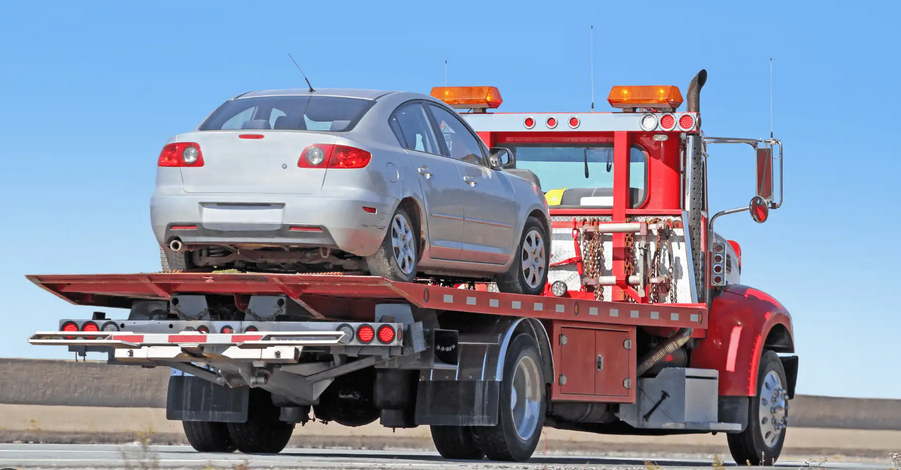
Your Vehicle Deserves More Than Just a Fast Pickup
Speed matters when you are stranded, but it should never come at the expense of how carefully your vehicle is handled. Drivers searching for a professional towing company in northern Colorado understand that protecting their vehicle during recovery is just as important as getting a fast response when something goes wrong on the road.
Improper Hookup Techniques Cause Real Mechanical Damage
To begin with, attaching a tow line or loading a vehicle onto a flatbed incorrectly is one of the most common sources of towing-related damage that drivers discover after the fact. Transmission damage, bent axles, torn undercarriage components, and snapped tie-down points are all documented consequences of rushed or untrained hookup procedures.
The Right Equipment Matches the Right Vehicle
Furthermore, using the wrong type of tow truck for a specific vehicle creates problems that proper equipment selection would eliminate entirely. Wheel-lift towing works well for certain situations but can stress the drivetrain on all-wheel-drive and four-wheel-drive vehicles that require flatbed transport instead. Luxury vehicles, lowered cars, and vehicles with significant front-end damage all have specific handling requirements that a knowledgeable operator recognizes immediately.
Long Distance Recovery Requires Extra Attention to Detail
Another factor that separates professional towing operations from careless ones becomes especially apparent during longer recovery hauls. Securing a vehicle for a short trip across town leaves less room for error than transporting it across multiple counties on highway speeds. Straps and chains must be checked and adjusted as needed, load shifts must be monitored, and the operator must drive with constant awareness of how the vehicle behind them is responding to road conditions, curves, and speed changes.
Verifying Condition Before and After Protects Your Rights
Finally, documenting the condition of your vehicle before a tow begins is a simple but important step that many drivers skip in the stress of the moment. A quick walk-around to note any existing damage, combined with a photograph or two on your phone, creates a clear baseline that protects you if any new damage appears during transport. A reputable towing company will have no objection to this process and may conduct their own condition check as standard procedure. That transparency is a reliable indicator of a company that takes responsibility for how your vehicle is treated from pickup to drop-off.
Conclusion: Your Vehicle Deserves More Than Just a Fast Pickup
To wrap it all up, a quality tow is about far more than arrival time. Proper hookup technique, matched equipment, attentive long-distance handling, and transparent condition documentation are what separate a towing company that genuinely protects your vehicle from one that simply moves it from one place to another. Your car, truck, or SUV represents a significant investment, and it deserves to be treated accordingly every step of the way. Choose a towing operator who understands that, and you will never have to worry about whether the recovery made your situation worse instead of better.
Recent Comments